All Categories
Featured


Protecting Families with Risk
Medical conditions that are steady and well-managed occupy an essentially different underwriting position than conditions that are actively unstable, recently complicated, or improperly treated even when the medical diagnosis name is the exact same. Conditions that consistently develop underwriting friction throughout many carriers consist of current or active cancer in treatment (where most carriers delay until treatment is complete and remission is developed for a specified period), active symptomatic cardiac arrest or really current major cardiac events, advanced kidney disease with considerably minimized function, extreme COPD with documented oxygen dependence, and complex autoimmune conditions with active organ involvement.
Our resource on life insurance for IgA nephropathy covers one kidney-specific autoimmune condition where the difference in between moderate, moderate, and advanced presentation identifies whether conventional fully underwritten protection is available. Our resource on life insurance for Behcet's illness covers a multi-system inflammatory condition where illness activity, organ involvement, and medication routines identify the underwriting reaction showing that the provider's issue is always the scientific image behind the diagnosis name, not the name itself. Modern underwriting uses electronic prescription databases that provide a history of filled prescriptions, generally covering a number of years, that the carrier inquiries as part of the underwriting evaluation. When the application disclosure is irregular with what that database reveals, the provider analyzes the inconsistency as an issue either a substantial medical problem that was left out from disclosure, or, in the worst analysis, intentional misstatement.
Each of these creates an inconsistency that slows underwriting, sets off extra queries, and sometimes produces a conservative outcome that would not have actually taken place with complete preliminary disclosure. The service is precise and total disclosure at the application stage not omitting medications because they seem small or due to the fact that the candidate has stabilized them as part of every day life.
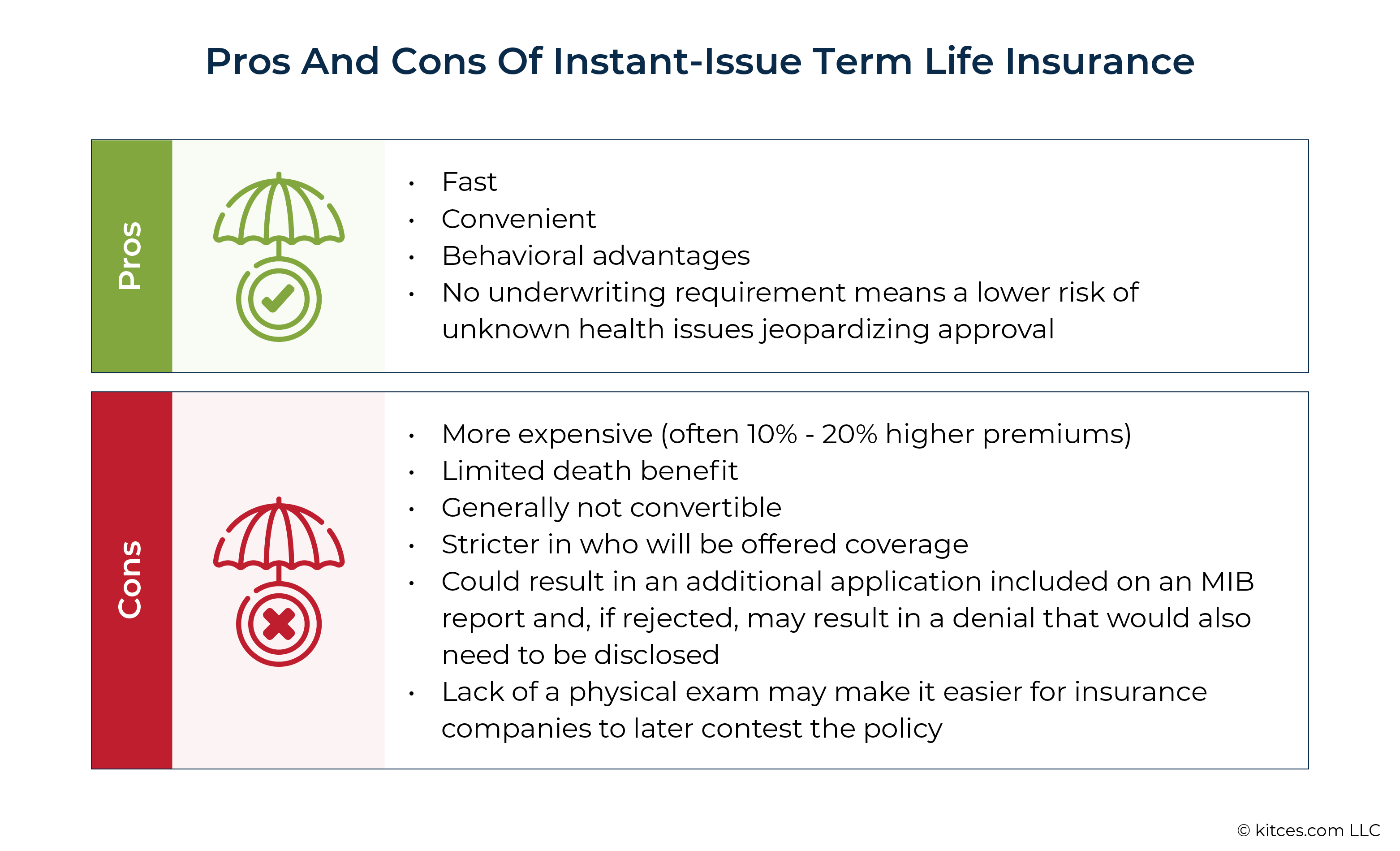
Context needs to be supplied where relevant a broker cover letter that discusses a medication's sign, the duration of use, and the stability of the underlying condition transforms a prospective warning into a documented, contextualized disclosure that underwriters assess appropriately instead of conservatively. Our resource on what is MIB in insurance coverage covers how underwriting databases create cross-referencing that makes complete disclosure not simply ethical however practically essential for the best result.

How to Secure 2026 High Risk Life Insurance
Stable, treated anxiety with constant therapy and medication management and no hospitalizations generally produces standard to slightly rated results at numerous providers. The elements that produce significant underwriting friction are recent hospitalizations, recent suicide efforts (which produce posts ponement or decreases at the majority of providers for specified periods), extreme instability, several medication changes within a brief window, and patterns suggesting ongoing practical problems.
ADL Assessment ChecklistThe carrier that assesses mental health history most favorably is typically one with particular underwriting experience in behavioral health danger not the carrier with the finest basic market premium. Compound usage history follows the very same pattern logic. A DUI from 7 years ago with no subsequent incidents produces a very various underwriting action than 2 DUIs within the previous three years, even when both applicants explain themselves as "having had a drinking issue in the past." Ongoing substance usage condition, current inpatient treatment, and numerous substance-related occurrences produce the most conservative reactions.
Life insurance coverage underwriting evaluates non-medical factors that impact mortality danger with the exact same concept that applies to medical factors: intensity, pattern, and provider hunger figure out the result. Hazardous professions business diving, offshore oil and gas work, mining, explosive handling produce underwriting friction because they represent raised accident mortality danger that basic premium designs might not adequately cost.
High-risk things personal aviation, motorsports, sky diving, rock climbing at competitive levels are assessed likewise: the degree and frequency of involvement, the training and accreditation level of the individual, and the provider's existing appetite for the particular activity determine the result. Some providers have well-developed flat extra schedules for particular avocations that produce insurable coverage with defined premium additions; others decline the avocation entirely.
Industries and occupational classifications that bring reputational threat or legal exposure, including adult home entertainment and certain financial services roles, need providers with specific underwriting frameworks for those classifications; our resource on life insurance for adult home entertainment workers covers this less typically talked about underwriting classification. Our resource on life insurance for foreign nationals covers the residency and paperwork underwriting structure for applicants without U.S.Applying to a provider without such a structure produces either a decline or a demand for paperwork that the carrier's underwriting team is not geared up to evaluate. Our resource on life insurance coverage for H1B visa holders covers the documents and carrier choice requirements for the most common professional work visa classification. An official decrease at one carrier creates an MIB notation that subsequent carriers can see when they query the database as part of their underwriting evaluation. When an application discloses a previous decrease (as the majority of applications require), the new carrier's underwriter will examine not simply the present application however the context of the prior decline: why did the previous provider decline? Is the current carrier being asked to take on a threat that a sophisticated peer carrier currently examined and declined?

Latest Posts

Steps for Managing Rates With Chronic Conditions
Health Insurance Opportunities for Recent Cancer Survivors
Common FAQs About Complex Risk Life Protection