All Categories
Featured


Empathy-Driven Underwriting for Impaired Risk
Medical conditions that are stable and well-managed inhabit an essentially different underwriting position than conditions that are actively unsteady, just recently made complex, or improperly dealt with even when the diagnosis name is the very same. Conditions that consistently produce underwriting friction throughout most providers include current or active cancer in treatment (where most providers postpone up until treatment is complete and remission is established for a specified duration), active symptomatic cardiac arrest or extremely current major cardiac events, advanced kidney disease with significantly lowered function, severe COPD with documented oxygen reliance, and intricate autoimmune conditions with active organ participation.
Our resource on life insurance for autoimmune illness covers the general autoimmune underwriting framework, which uses throughout the classification with condition-specific variations. Blood clotting disorders and deep vein apoplexy history present particular underwriting questions around reoccurrence risk and anticoagulant treatment; our resource on life insurance coverage for blood clot history covers this discussion. Modern underwriting uses electronic prescription databases that offer a history of filled prescriptions, typically covering numerous years, that the provider inquiries as part of the underwriting evaluation. When the application disclosure is inconsistent with what that database reveals, the carrier translates the discrepancy as an issue either a considerable medical issue that was left out from disclosure, or, in the worst analysis, intentional misrepresentation.
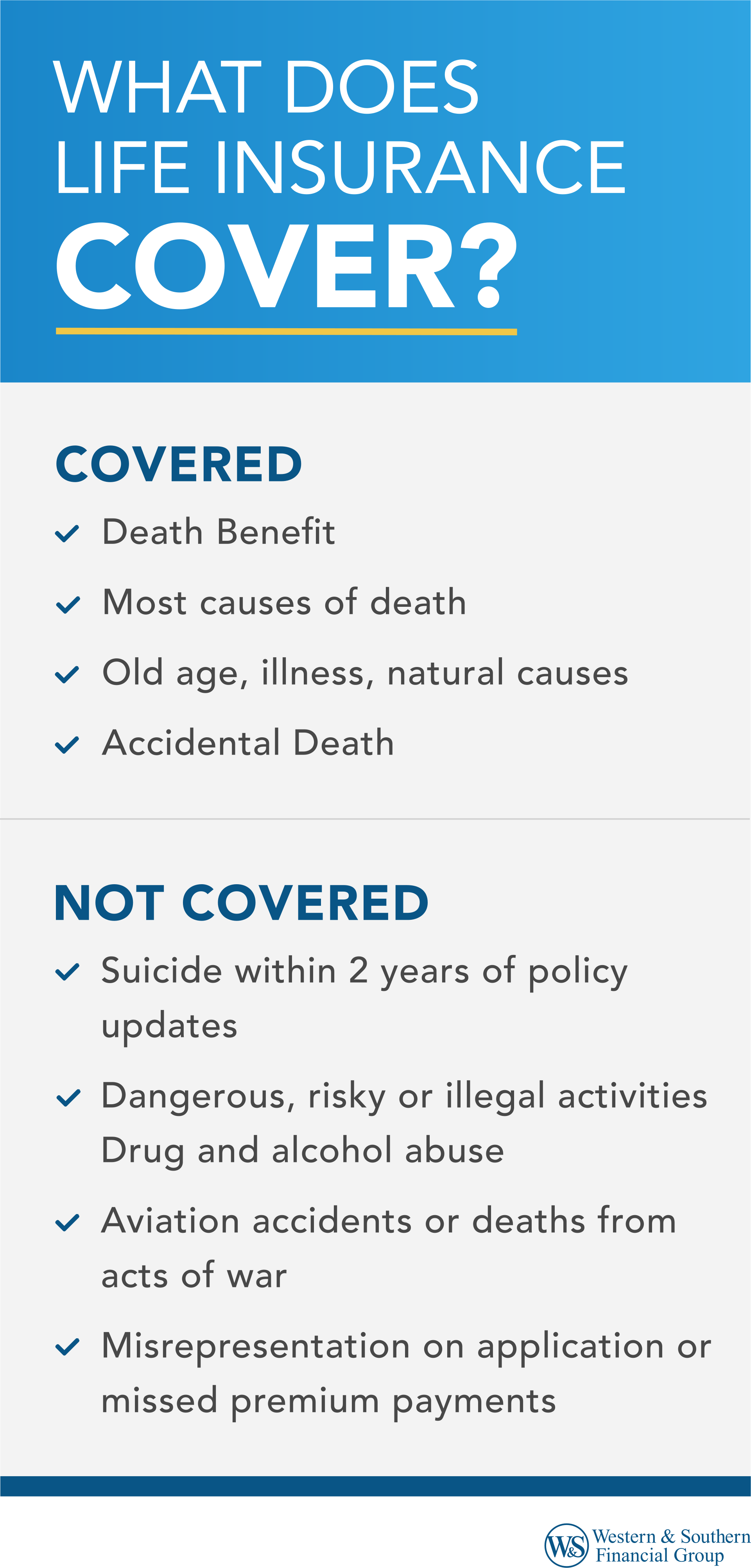
Each of these develops an inconsistency that slows underwriting, activates extra inquiries, and in some cases produces a conservative outcome that would not have accompanied total initial disclosure. The option is precise and complete disclosure at the application stage not omitting medications because they seem minor or since the applicant has stabilized them as part of every day life.
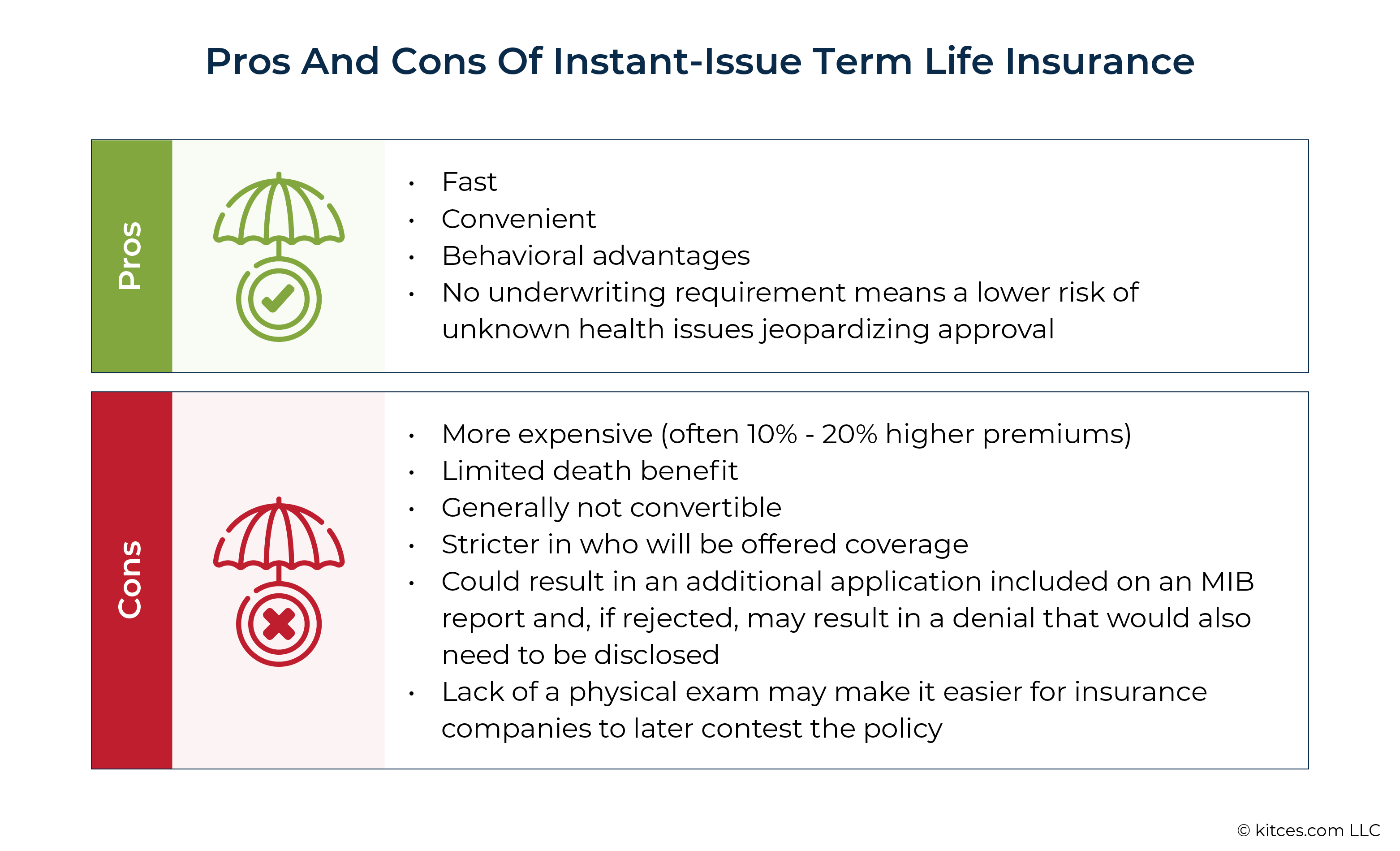
Context needs to be offered where pertinent a broker cover letter that describes a medication's indication, the duration of use, and the stability of the underlying condition transforms a prospective warning into a recorded, contextualized disclosure that underwriters evaluate properly rather than conservatively. Our resource on what is MIB in insurance coverage covers how underwriting databases develop cross-referencing that makes complete disclosure not simply ethical however practically needed for the very best result.

Managing Insurance for Modern Diabetic Applicants
Steady, cured anxiety with consistent therapy and medication management and no hospitalizations generally produces standard to slightly rated outcomes at many carriers. The factors that develop major underwriting friction are recent hospitalizations, current suicide efforts (which produce posts ponement or declines at a lot of providers for specified durations), serious instability, multiple medication modifications within a brief window, and patterns suggesting ongoing functional impairment.
Group Critical Illness InsuranceThe carrier that evaluates psychological health history most favorably is often one with specific underwriting experience in behavioral health threat not the provider with the best basic market premium. Compound use history follows the very same pattern logic.
Life insurance underwriting evaluates non-medical aspects that affect mortality threat with the very same principle that uses to medical factors: severity, pattern, and carrier cravings identify the result. Harmful occupations commercial diving, offshore oil and gas work, mining, explosive handling produce underwriting friction since they represent raised accident mortality threat that basic premium models may not adequately price.
High-risk avocations private aviation, motorsports, skydiving, rock climbing at competitive levels are evaluated likewise: the extent and frequency of involvement, the training and accreditation level of the participant, and the carrier's present hunger for the specific activity figure out the outcome. Some carriers have well-developed flat extra schedules for specific avocations that produce insurable protection with defined premium additions; others decline the thing entirely.
An official decline at one carrier develops an MIB notation that subsequent carriers can see when they query the database as part of their underwriting review. When an application discloses a previous decrease (as a lot of applications need), the new carrier's underwriter will assess not simply the present application however the context of the previous decline: why did the prior provider decrease? Is the current provider being asked to take on a risk that an advanced peer carrier already assessed and turned down?

Latest Posts

Steps for Managing Rates With Chronic Conditions
Health Insurance Opportunities for Recent Cancer Survivors
Common FAQs About Complex Risk Life Protection